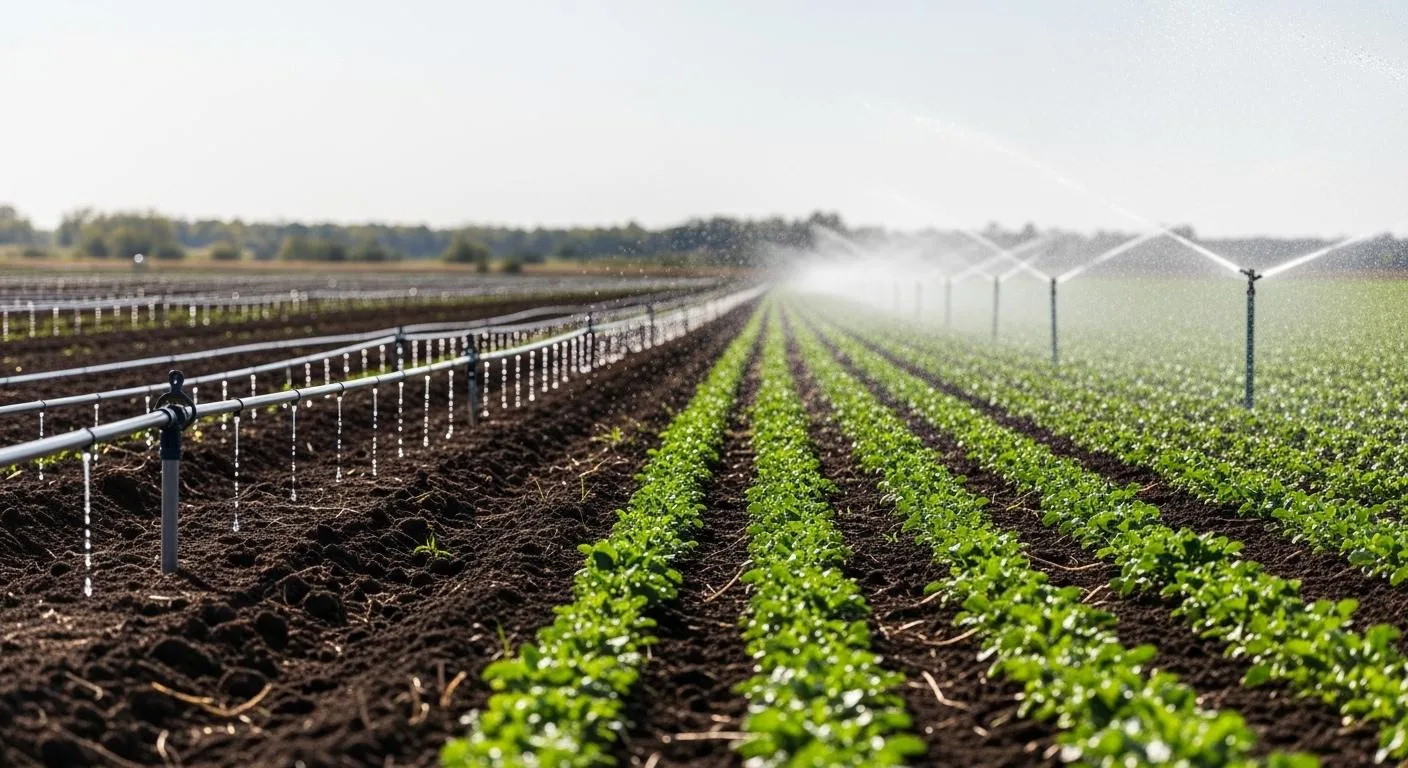
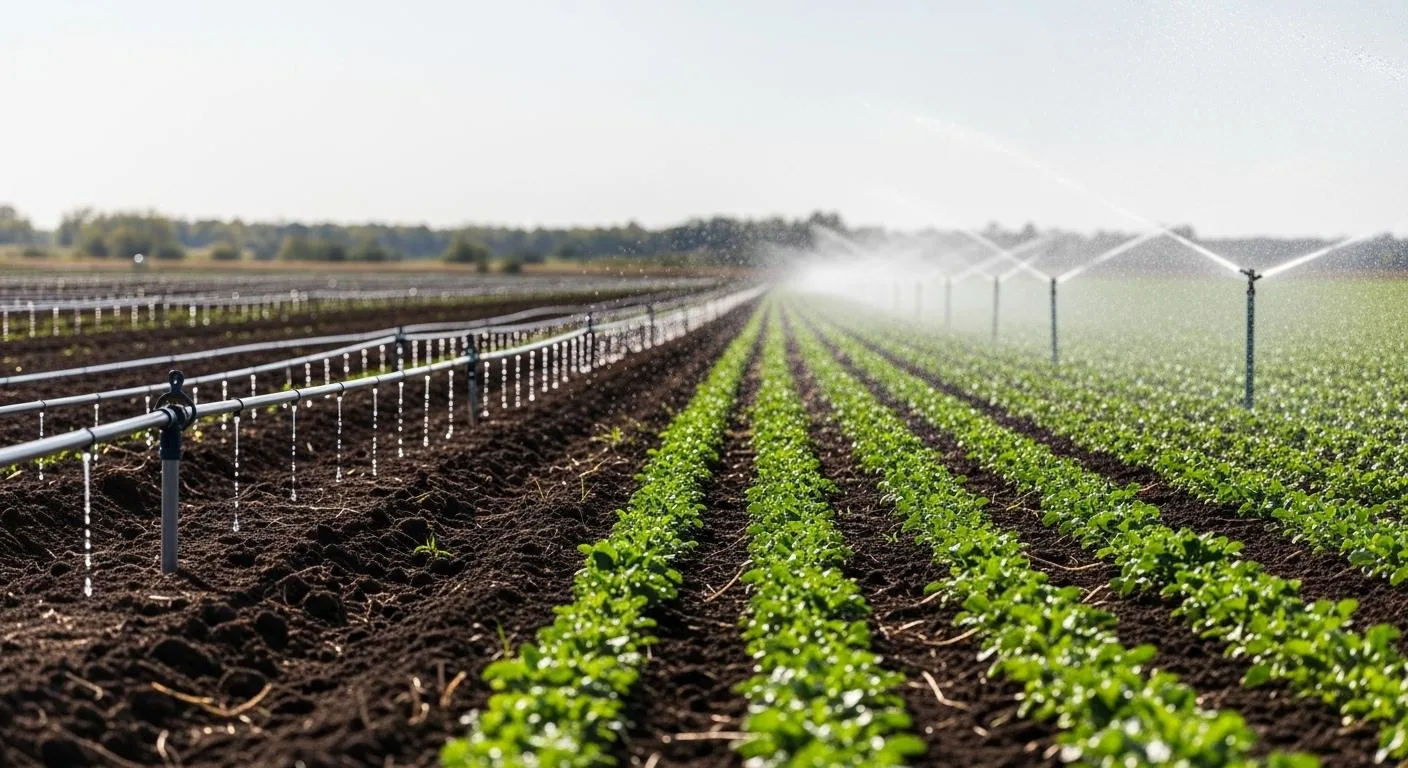
At Aytok Filtre, we've understood the language of water and soil for years. One of the most common questions we hear from farmers and gardeners is, "Which irrigation system is the right one for me?"
Let's find the answer together. We'll break down the two most popular systems, laying out all their pros and cons in the simplest terms.
1. Drip Irrigation: Precision for Every Plant
You can think of drip irrigation like giving each of your plants the exact amount of water it eeds, slowly and precisely, with a dropper. It's a highly efficient and smart method.
Why We Love Drip Irrigation (Advantages):
· Zero Waste, Maximum Savings: The water doesn't get lost to wind or evaporate in the heat. Nearly every drop goes directly to the plant's roots. This makes a oticeable difference in your water bill.
· Stops Weed Growth: Since only the base of the plant is watered, the pesky weeds that compete for resources don't have a chance to grow in the rows between.
· Healthy Plants, Quality Harvest: The leaves stay dry, which prevents fungus and other moisture-loving diseases. A healthy plant means a larger, higher-quality harvest.
But What’s the Critical Point? (Things to Watch Out For):
· The Biggest Risk: Clogging! The most vulnerable part of a drip system is the tiny emitters. The smallest grain of sand, algae, or mineral deposit can clog the system, rendering your expensive investment useless.
· This is where our expertise comes in! A high-quality Aytok filter system is the heart and the insurance of your drip irrigation setup. It protects your system against clogging, ensures it runs smoothly for years, and guarantees you get the full value out of every penny you've invested. A drip system without a filter is a risky gamble.
2. Sprinkler Irrigation: Creating Your Own Rain
This system uses sprinkler heads to cast an artificial rain over your field. It's a practical and effective solution for large areas.
When Does It Make Sense? (Advantages):
· A Quick Solution for Large Areas: It's ideal for densely planted field crops like corn, wheat, alfalfa, or large lawns. You can water a huge area with a single sprinkler.
· A Shield Against Frost: On cold spring ights, you can run the system to protect your crops from frost damage.
· Generally Lower Initial Cost: The initial investment can be more economical than drip irrigation, especially for very large, flat fields.
What to Watch Out For (Disadvantages):
· Water Loss is Unavoidable: The wind can carry a portion of the water to a eighboring field, and on a hot day, some of it evaporates before it even hits the ground. This means using more water and more energy.
· Disease Risk: Wet leaves create the perfect environment for diseases like fungus and mold to spread.
· Nozzle Clogging: Sprinkler ozzles can also become clogged over time with minerals, sand, or algae from the water. Even with these systems, placing the right Aytok filter at your water source will extend the life of your system and ensure even water distribution.
Our Final Word at Aytok Filtre: The Decision is Yours, the Guarantee is Ours!
So, which one is right for you? Here’s a simple checklist to help you decide:
CHOOSE DRIP IRRIGATION IF...
· Water is your most valuable resource.
· You are growing high-value row crops like vegetables or fruits.
· Your goal is "every drop counts for a healthier crop."
· And remember: If you make this choice, you must protect your investment with an Aytok Filter.
CHOOSE SPRINKLER IRRIGATION IF...
· You have a large, flat field with crops like alfalfa or corn.
· Your water source is plentiful and less expensive.
· You are working with a more limited initial budget.
Whichever system you choose, the key to success is clean, high-quality water. At Aytok Filtre, we are here to get your water in perfect condition for your system.
Need help making the right decision? Don't hesitate to consult our expert team. Together, let's find the best solution for your land!